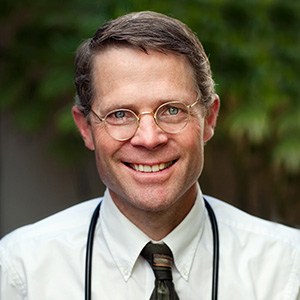
Scott Saunders, MD
Medical & Nutrition Advisor
Disillusioned with the current state of affairs in modern healthcare, Dr. Saunders decided to leave the traditional world of medicine to start his own clinic in Santa Barbara county in California. He graduated from UCLA Medical School, but grew frustrated with "the system" which didn't allow much for alternative remedies - even though he knew they were more effective with less side effects. He is now the director of The Integrative Medicine Center of Santa Barbara, which balances conventional medicine with alternative healing modalities to achieve optimal wellness.
In this video we cover:
- A simple grocery store remedy that provides fast relief from burning and reflux
- The real root cause of heartburn (hint: it's not "too much" acid)
- Why common acid reflux drugs (PPIs) may be more dangerous than you think
- The step-by-step natural plan that has already helped over 100,000 people find lasting relief
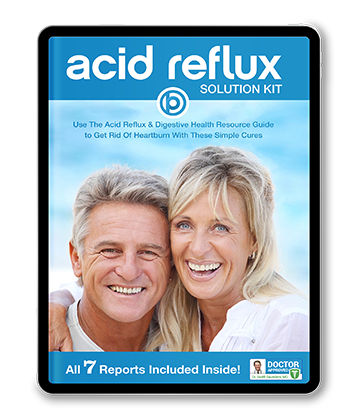
The Acid Reflux Solution Kit gives you step-by-step guidance, natural remedies, and proven strategies to calm your digestive system and restore comfort. Inside, you'll discover the complete 3-Day Plan for Eliminating Acid Reflux, a Natural Remedies Guide with safe, inexpensive solutions, and a ready-to-use Grocery List. You'll also get 37 GERD-friendly recipes in the Acid Reflux Cookbook, plus a Workbook and Resource Guide to track your progress. As a bonus, we've included simple exercises for reflux and hiatal hernia relief, along with a special guide for infants and toddlers. Get instant digital access today, all backed by our 365-day money-back guarantee.

Take Full Advantage of Barton's 100% NO RISK MONEY BACK GUARANTEE
The Acid Reflux Solution Kit comes with a 365 Day, 100% Money Back Guarantee. That means if you change your mind about this decision at any point in the next 365 days... all you need to do is contact our US based Customer Service and we will refund your purchase.
We're so excited to have you join the hundreds of thousands of people who have already changed their lives with The Acid Reflux Solution Kit.
Contact Us
888-356-1146
support@bartonpublishing.com
Barton Publishing
PO Box 50
Brandon, SD
57005